
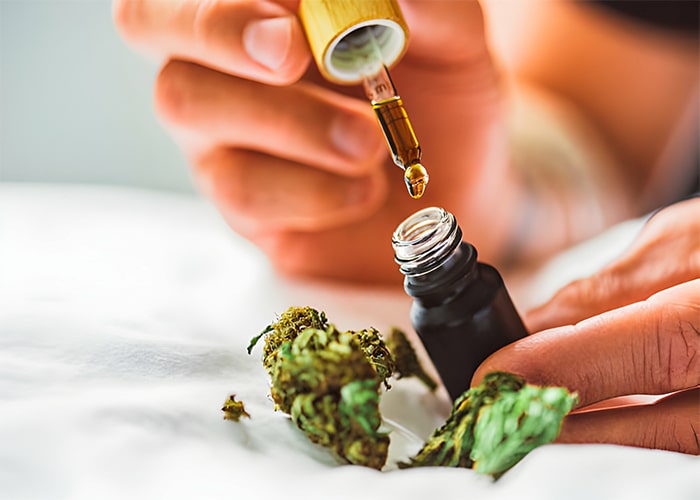
The realm of hemp and CBD products often suffers from misconceptions due to inadequate marketing regulations. It’s crucial to distinguish between hemp oil and CBD oil, as these products have distinct extraction methods and primary ingredients.
Semantic Differences Among Hemp, CBD, and Cannabis
Cannabis, known by various aliases such as marijuana or weed, encompasses both hemp and CBD. Legally, the differentiation is significant, particularly concerning cannabis-derived products. Hemp a derivative of the cannabis plant with THC levels below 0.3%, is primarily cultivated for industrial purposes. On the other hand, Cannabidiol (CBD) is an isolated cannabinoid found among numerous compounds in the cannabis plant.
Hemp oil and CBD oil are not interchangeable. Hemp oil is extracted from the seeds of the hemp plant, while CBD is derived from the mature, flowering stalks, leaves, and flowers of the hemp or cannabis plant. Unlike CBD, hemp oil does not contain cannabinoids and is commonly used in skincare products and certain health foods.
Extraction Processes: Hemp Oil vs. CBD Oil
The extraction of hemp oil involves cold-pressing the plant’s seeds to release essential oils rich in nutrients. This process contributes amino acids, fatty acids, and essential system support to the body. Conversely, CBD oil production requires a more intricate process, typically utilizing CO2 and sophisticated machinery to isolate and extract CBD from flowering cannabis. The absence of CBD in hemp oil is the primary distinction between the two products.
Incorporating Hemp Oil in Culinary and Beauty Applications
While hemp oil may not serve as a CBD supplement, it has been a staple in nutrition and skincare for years. With its low cooking temperature, hemp oil is ideal for salad dressings, pesto, or drizzling over dishes, offering potential benefits for heart health, skin, hair, and dietary fiber intake. In the beauty industry, hemp oil is utilized in lotions, lip balms, and body wash, providing hydration and potential relief for inflammation-based skin conditions.
Understanding the unique properties and applications of hemp oil versus CBD oil is crucial to make informed product choices and avoid misrepresentation. By recognizing the differences between these products, consumers can navigate the market more effectively and harness the specific benefits each product offers.
Related on Weedly: Keep exploring the Weedly Glossary, our strain reviews, the Learn hub, our Canada coverage and our USA coverage.
Sources & further reading: For authoritative background see Leafly Learn, the CDC, peer-reviewed studies on PubMed, Project CBD and Health Canada.
Why this matters for cannabis consumers
Understanding topics like beginner’s guide to hemp oil is part of becoming a more informed, confident cannabis consumer. The more you know about how cannabis, its compounds and its effects actually work, the better equipped you are to make choices that suit your goals and stay safe. Cannabis science has advanced considerably, and separating solid, evidence-based information from marketing or myth is a skill worth developing. Whether you are new to cannabis or have used it for years, a clear grasp of the fundamentals, from THC and CBD to terpenes and dosing, helps you get more out of the experience while minimizing avoidable risks.
A note on legality and responsible use
Cannabis laws differ dramatically around the world and even between regions of the same country, so the single most important rule is to know and follow the rules where you are. Where cannabis is legal, responsible use means keeping consumption moderate and intentional, storing products safely away from children and pets, and never driving or operating machinery while impaired. Effects vary from person to person depending on dose, tolerance and individual physiology, so a measured, start-low approach is always wise. Treating cannabis with the same care and respect you would any substance helps keep the experience positive and safe.
Related reading on Weedly
- The Weedly cannabis glossary
- More from our Learn section
- Strain and product reviews
- International cannabis coverage
The bottom line
Topics like beginner’s guide to hemp oil are a small part of a large and fast-changing cannabis world, and staying curious and informed is the best way to navigate it. Whether your interest is practical, cultural or simply curiosity, understanding the context behind the subject helps you engage with it more confidently. As always, cannabis is for adults of legal age, laws vary by location, and responsible, moderate use should guide any personal choices. For more coverage across cannabis news, culture, science and the wider world, explore the rest of Weedly and our International section.
Moderation and healthy habits
As with many things, moderation is central to a healthy relationship with cannabis. Using it intentionally rather than habitually, being mindful of how much and how often, and paying attention to how it fits with the rest of your life all help keep the experience positive. Regular heavy use can lead to tolerance, meaning effects diminish over time, and taking breaks can help reset that. Cannabis affects everyone differently, so self-awareness is key. Treating cannabis with the same thoughtfulness you would apply to any substance supports both enjoyment and wellbeing over the long term.
Cannabis and everyday life
For a growing number of adults, cannabis has become a normalized part of everyday life where it is legal, used much as some people use a glass of wine to relax or unwind. That normalization brings both opportunity and responsibility: the opportunity to enjoy cannabis openly and safely, and the responsibility to do so in ways that respect the law, other people and one’s own health. Keeping products stored securely away from children and pets, never consuming before driving, and being considerate about where and when you use are simple habits that make legal cannabis work smoothly in daily life.
Separating fact from myth
Cannabis has long been surrounded by both exaggerated fears and overblown claims, and cutting through that noise is part of engaging with it sensibly. Some widely repeated beliefs do not hold up to scientific scrutiny, while genuine risks and benefits are sometimes overlooked. Relying on credible, evidence-based sources rather than hearsay or marketing helps build an accurate picture. As research continues to mature, our understanding of what cannabis can and cannot do keeps improving, making it worthwhile to stay curious, keep an open mind, and update your knowledge as better information becomes available.
Where to learn more
Cannabis is a broad subject that spans science, law, culture, health and commerce, and there is always more to explore. Building your knowledge over time, from the basics of cannabinoids and terpenes to the details of how laws differ around the world, makes every aspect of the subject easier to navigate. Reliable information is the best tool any consumer or curious reader can have. Explore more of Weedly’s coverage across news, culture, reviews and education to keep learning, and see how the global picture is evolving in our International section.