
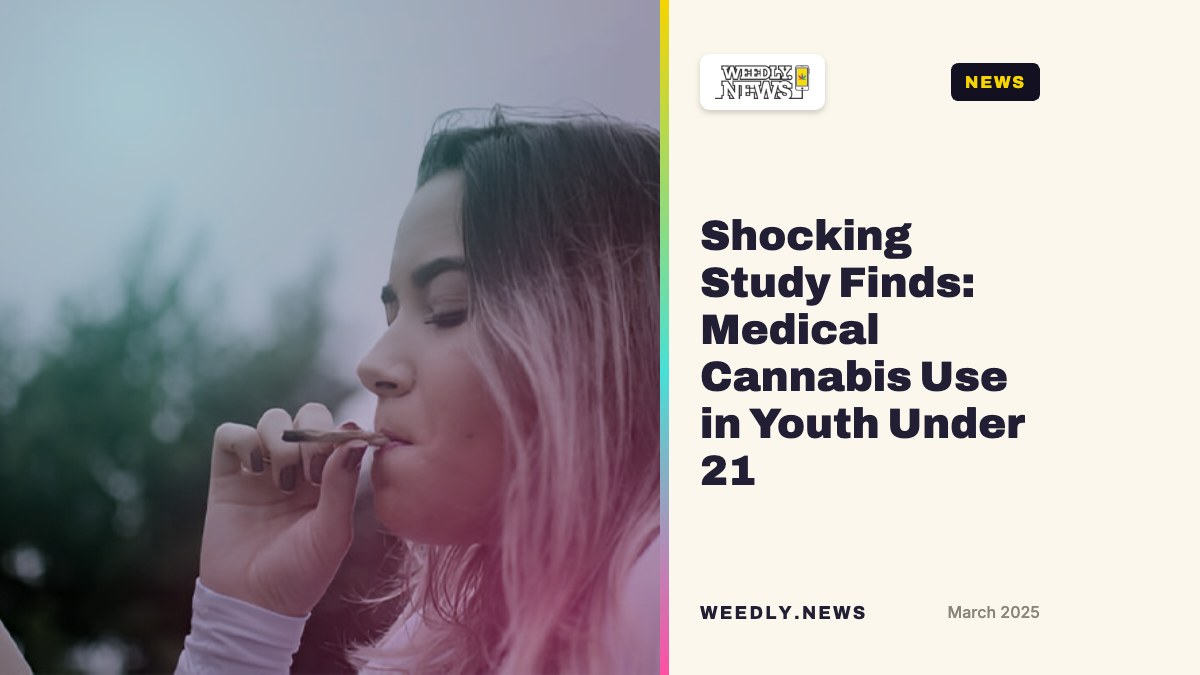
A recent study has revealed shocking insights into the increasing use of medical cannabis among youth under the age of 21. As cannabis legalization expands across North America, the discussion surrounding its accessibility and effects on young users has become a pressing concern. While medical marijuana offers therapeutic benefits for various conditions, its use among adolescents raises questions about potential risks, long-term consequences, and the need for regulation.
The Study: Key Findings
Researchers conducted an extensive analysis of medical cannabis use in youth under 21, examining data from healthcare records, surveys, and case studies. The findings were eye-opening:
- Rising Usage: The study found that the number of young medical cannabis users has increased significantly over the past five years.
- Common Conditions Treated: Medical cannabis is most often used to manage conditions such as epilepsy, chronic pain, anxiety disorders, and autism spectrum disorders.
- Parental & Physician Approval: In many cases, parents and doctors have approved the use of cannabis-based treatments when conventional medications have failed.
- Accessibility & Regulation Issues: The study highlights concerns regarding accessibility, as some minors obtain medical cannabis without strict regulatory oversight.
Why Are Young People Using Medical Cannabis?
Several factors contribute to the growing trend of medical cannabis use among youth under 21. The most notable reasons include:
1. Treatment for Severe Medical Conditions
Medical cannabis has shown promise in treating serious conditions such as epilepsy, where conventional treatments have been ineffective. CBD (cannabidiol), a non-psychoactive compound in cannabis, has been particularly effective in reducing seizures in children.
2. Mental Health Benefits
With the rise in anxiety and depression among teenagers, some have turned to medical cannabis for relief. Studies suggest that cannabis may help alleviate symptoms of PTSD, social anxiety, and panic disorders.
3. Chronic Pain Management
For youth suffering from chronic pain conditions like fibromyalgia or cancer-related pain, medical cannabis offers a natural alternative to opioid-based painkillers, which carry a high risk of addiction.
4. Autism Spectrum Disorder (ASD) Treatment
Some parents have turned to medical cannabis as a way to manage severe behavioral issues and anxiety in children with autism. While research is still in its early stages, anecdotal evidence suggests that cannabis may help improve social interaction and reduce aggression.
Potential Risks of Medical Cannabis Use in Youth
Despite the reported benefits, medical experts emphasize that cannabis use in individuals under 21 carries potential risks, including:
1. Impact on Brain Development
The adolescent brain continues to develop until the mid-20s. Frequent cannabis use during this period may affect cognitive functions such as memory, learning, and decision-making.
2. Risk of Dependency
Studies suggest that early cannabis use increases the likelihood of developing dependence or substance use disorders later in life. Youth with a family history of addiction may be particularly vulnerable.
3. Psychological Effects
Some research links high-THC cannabis use in adolescents to an increased risk of mental health issues, including schizophrenia and psychosis, especially in those with a genetic predisposition.
4. Legal & Ethical Considerations
While medical cannabis is legal in many regions, its use among minors remains a contentious issue. Parents, lawmakers, and medical professionals must navigate complex legal and ethical dilemmas regarding prescription and supervision.
Regulation & Parental Responsibility
Given the potential risks and benefits, regulation is crucial in ensuring the responsible use of medical cannabis among youth. Key measures include:
- Stronger Prescription Guidelines: Only qualified medical professionals should prescribe cannabis to minors, ensuring it is used for genuine medical conditions.
- Parental Supervision: Parents should be actively involved in their child’s medical cannabis use, monitoring dosage and effects.
- Educational Campaigns: Schools and healthcare providers should educate young users about the potential risks associated with cannabis use.
- Product Labeling & Dosage Control: Cannabis products for minors should have clear labeling, appropriate dosages, and child-proof packaging.
Conclusion
The shocking findings of this study highlight the growing use of medical cannabis among youth under 21, raising both hope and concerns. While cannabis offers therapeutic benefits for certain medical conditions, its impact on brain development, mental health, and dependency risks cannot be ignored.
As cannabis laws evolve, it is crucial to balance accessibility with strict regulations to protect young users. More research, parental awareness, and responsible prescribing practices are necessary to ensure that medical cannabis remains a safe and effective treatment option for those who truly need it.
For further insights on cannabis regulations and youth health, visit Health Canada.
Related on Weedly: Keep exploring the Weedly Glossary, our strain reviews, the Learn hub, our Canada coverage and our USA coverage.
Sources & further reading: For authoritative background see Leafly Learn, the CDC, peer-reviewed studies on PubMed, Project CBD and Health Canada.
The bigger picture
Stories like this one, touching on shocking study finds, are part of a fast-moving cannabis landscape in which policy, science, culture and commerce are all evolving at once. What happens in one market or corner of the industry often ripples outward, influencing consumers, businesses and lawmakers elsewhere. Keeping up with these developments helps readers understand not just isolated headlines but the broader direction of an industry still finding its shape. Cannabis remains a rapidly changing space, and following it closely, from legal shifts to product trends, offers a clearer view of where things may be heading next.
A note on legality and responsible use
Cannabis laws differ dramatically around the world and even between regions of the same country, so the single most important rule is to know and follow the rules where you are. Where cannabis is legal, responsible use means keeping consumption moderate and intentional, storing products safely away from children and pets, and never driving or operating machinery while impaired. Effects vary from person to person depending on dose, tolerance and individual physiology, so a measured, start-low approach is always wise. Treating cannabis with the same care and respect you would any substance helps keep the experience positive and safe.
Related reading on Weedly
- The Weedly cannabis glossary
- More from our News section
- Strain and product reviews
- International cannabis coverage
The bottom line
Topics like shocking study finds are a small part of a large and fast-changing cannabis world, and staying curious and informed is the best way to navigate it. Whether your interest is practical, cultural or simply curiosity, understanding the context behind the subject helps you engage with it more confidently. As always, cannabis is for adults of legal age, laws vary by location, and responsible, moderate use should guide any personal choices. For more coverage across cannabis news, culture, science and the wider world, explore the rest of Weedly and our International section.