


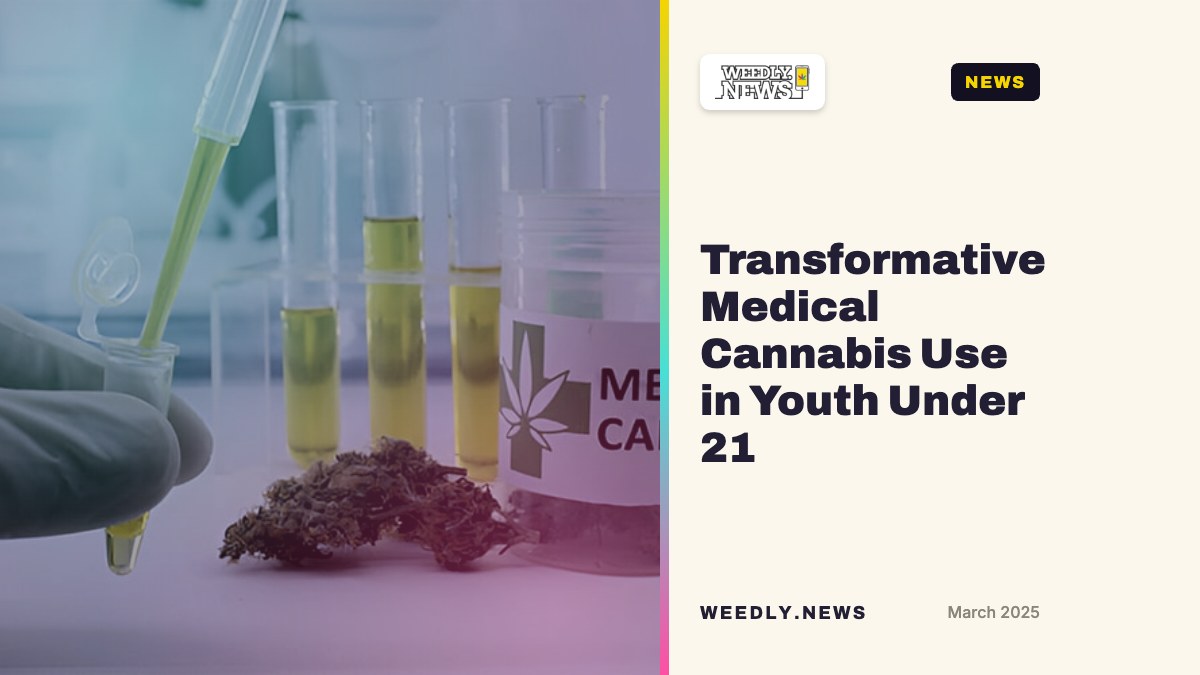
In recent years, the conversation around medical cannabis has shifted dramatically. Once a controversial topic, it now gains recognition as a legitimate treatment option for various conditions. While much of the focus has been on adult use, a growing interest surrounds the potential benefits of medical cannabis for youth under 21. This blog explores the transformative potential of medical cannabis in pediatric care, its applications, and the ethical considerations surrounding its use.
Understanding Medical Cannabis
Medical cannabis refers to the use of the cannabis plant or its extracts to treat symptoms of illness and other conditions. The plant contains over 100 chemical compounds known as cannabinoids, with tetrahydrocannabinol (THC) and cannabidiol (CBD) being the most well-known. THC causes the psychoactive effects, while CBD remains non-intoxicating and demonstrates therapeutic properties.
Conditions Treated with Medical Cannabis in Youth
Doctors increasingly consider medical cannabis for young patients with conditions that do not respond well to traditional treatments. Some of the conditions where medical cannabis shows promise include:
- Epilepsy: One of the most well-documented uses of medical cannabis in youth involves the treatment of epilepsy, particularly drug-resistant forms like Dravet syndrome and Lennox-Gastaut syndrome. The FDA has approved CBD-based medications, such as Epidiolex, which significantly reduce seizure frequency.
- Autism Spectrum Disorder (ASD): Some studies suggest that medical cannabis, particularly CBD, may help manage symptoms associated with ASD, such as anxiety, aggression, and self-injurious behaviors. While research remains in its early stages, anecdotal evidence from parents and caregivers shows promise.
- Chronic Pain: Youth suffering from chronic pain due to conditions like juvenile arthritis or cancer may find relief through medical cannabis. CBD, in particular, has anti-inflammatory properties that can help manage pain without the psychoactive effects of THC.
- Anxiety and Depression: Mental health issues are rising among youth, and traditional treatments do not always work. Some studies suggest that CBD may help reduce anxiety and improve mood, offering a potential alternative for young patients.
- Post-Traumatic Stress Disorder (PTSD): Youth who have experienced trauma may benefit from the calming effects of CBD, which can help reduce symptoms of PTSD, such as flashbacks and hyperarousal.
The Science Behind Medical Cannabis in Youth
The endocannabinoid system (ECS) regulates various physiological processes, including mood, pain sensation, and immune response. This system develops from birth and continues to mature throughout adolescence. Medical cannabis interacts with the ECS, potentially offering therapeutic benefits for young patients.
However, the developing brain remains particularly sensitive to external influences, and researchers have not yet fully understood the long-term effects of cannabis use in youth. While experts generally consider CBD safe, THC exposure in adolescents links to potential cognitive and psychological risks, including impaired memory and an increased risk of psychiatric disorders. Therefore, doctors must carefully monitor and tailor the use of medical cannabis in youth to each individual’s needs.
Ethical and Legal Considerations
The use of medical cannabis in youth under 21 raises several ethical and legal questions. In many jurisdictions, the legal age for cannabis use is 21, and obtaining medical cannabis for minors often requires special approval from a healthcare provider and, in some cases, a legal guardian.
Parents and caregivers must weigh the potential benefits against the risks, particularly when considering THC-containing products. Open communication with healthcare providers ensures that the treatment plan remains safe and effective.
Additionally, researchers need to conduct more rigorous studies to better understand the long-term effects of medical cannabis on the developing brain. While early results show promise, the medical community must proceed with caution to avoid unintended consequences.
The Role of Healthcare Providers
Pediatricians and other healthcare providers play a critical role in guiding families through the decision-making process. They must stay informed about the latest research and prepare to discuss the potential benefits and risks of medical cannabis with their patients and their families.
Healthcare providers should also understand the legal landscape in their area, as regulations surrounding medical cannabis can vary widely. In some cases, they may need to work with specialists, such as neurologists or pain management experts, to develop a comprehensive treatment plan.
Conclusion
The use of medical cannabis in youth under 21 represents a new frontier in pediatric care, offering hope for patients with conditions that have been difficult to treat with traditional methods. While the potential benefits are significant, doctors must approach this treatment option with caution, particularly when considering THC exposure in developing brains.
As research continues to evolve, so too will our understanding of how medical cannabis can safely and effectively treat pediatric conditions. For now, open communication between healthcare providers, patients, and families ensures that young patients receive the best possible care.
By staying informed and approaching medical cannabis use in youth with a balanced perspective, we can unlock its transformative potential while minimizing risks. The future of pediatric care may very well depend on the thoughtful and responsible use of medical cannabis.
Related on Weedly: Keep exploring the Weedly Glossary, our strain reviews, the Learn hub, our Canada coverage and our USA coverage.
Sources & further reading: For authoritative background see NIDA (US National Institute on Drug Abuse), the World Health Organization, Wikipedia, Leafly Learn and the CDC.
Why it’s worth following
The cannabis world moves quickly, and topics such as transformative medical cannabis use in youth under 21 reflect an industry and culture in constant flux. Regulations change, products evolve, and public attitudes continue to shift, making it easy to fall behind if you are not paying attention. Understanding the context behind a story, rather than just the headline, helps make sense of an increasingly complex space where economics, health, law and culture intersect. For anyone with an interest in cannabis, whether as a consumer, a professional or simply a curious observer, staying informed is the best way to keep pace with the change.
Staying safe and informed
Whatever your level of experience, a few principles make any cannabis-related activity safer and more enjoyable. First, respect local laws, which vary widely and change often. Second, remember that individual responses differ, so what works for one person may not suit another, making moderation and a start-low approach sensible. Third, keep products stored securely and never consume before driving or other activities that require full attention. Cannabis is strictly for adults of legal age, and approaching it thoughtfully, with accurate information rather than assumptions, is the best way to enjoy it responsibly wherever it is permitted.
Related reading on Weedly
- The Weedly cannabis glossary
- More from our News section
- Strain and product reviews
- International cannabis coverage
Final thoughts
There is always more to learn when it comes to subjects like transformative medical cannabis use in youth under 21, and the cannabis landscape will keep evolving alongside changing laws, science and culture. Keeping an open, informed perspective helps you make sense of it all, whether you approach cannabis as a consumer, a professional or an interested observer. Remember that cannabis is strictly for adults of legal age, that rules differ widely from place to place, and that responsible use is the foundation of any positive experience. Explore more of Weedly’s coverage to keep learning, and see how the wider world is changing in our International section.


