


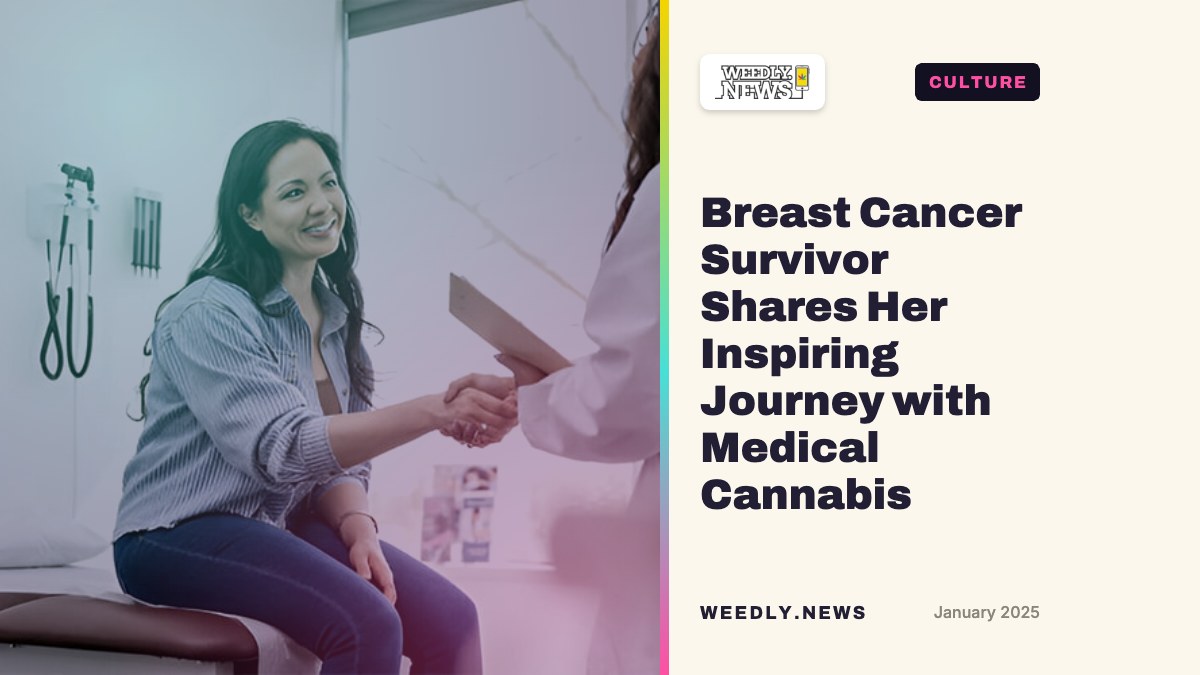
Lucy Fisher’s Breast Cancer Journey
Dr. Chin: Lucy, thank you for being here today. Let’s begin by talking about your breast cancer journey. What was your initial diagnosis, and how did you approach treatment?
Lucy Fisher: I was diagnosed with breast cancer at just 26 years old, and it felt like my entire world collapsed. In those early days, I was overwhelmed with questions and had very few answers. I immersed myself in work and treatment—radiotherapy, endless hospital visits, and just trying to keep moving forward. For the first couple of years, I carried a heavy burden of shame and guilt, questioning if I had done something wrong to deserve this. But over time, I realized cancer doesn’t discriminate—it touches so many lives. That realization inspired me to share my story in the hope that it might help others going through similar struggles.
Discovering Medical Cannabis
Dr. Chin: You didn’t use medical cannabis during your initial treatment. How did it become part of your journey?
Lucy Fisher: My cancer diagnosis led me to explore my overall health more deeply, which eventually introduced me to medical cannabis. Back in 2016, I was skeptical—it wasn’t even legally available in the UK at the time. But my perspective shifted after meeting patients whose lives had been transformed by cannabis.
Years later, while recovering from multiple surgeries, I decided to try it myself. One evening, I was in unbearable pain. I used a tincture, and within minutes, my pain level went from a 10 to zero—it was a profound experience. However, my second attempt wasn’t as positive. I tried an edible and took too much, leading to one of the most challenging nights of my life.
Advice for Patients Considering Cannabis
Dr. Chin: Reflecting on your experience, what advice would you give to patients exploring medical cannabis?
Lucy Fisher: Cannabis is like a pharmacy in a plant—it has incredible potential, but it requires careful use. I always advise patients to consult with healthcare providers who understand cannabis, as it can interact with other medications. Be prepared to experiment with different products and dosages to find what works best for you.
How Cannabis Supports Chemotherapy Patients
: Can medical cannabis help with the side effects of chemotherapy, like nausea, vomiting, and loss of appetite?
Dr. Chin: Absolutely. Medical cannabis can be highly effective in reducing nausea and stimulating appetite during chemotherapy. It works in harmony with the body’s natural systems and often provides relief without the harsh side effects of traditional anti-nausea medications. In some cases, cannabis allows us to reduce or even replace multiple prescriptions.
Lucy Fisher: Is it safe to use cannabis during chemotherapy and radiation? Are there any patients who should avoid it?
Dr. Chin: Safety depends on individual factors like the type and stage of cancer, as well as the patient’s overall health. Cannabis can help with appetite, anxiety, and sleep—critical factors during treatment. However, it can interact with certain cancer therapies, so it’s crucial to work closely with both an oncologist and a cannabis specialist to avoid potential complications.
Empowering Patients Through Education
Lucy Fisher: How can patients start informed conversations with their oncologists about incorporating cannabis into their treatment?
Dr. Chin: Patients should feel empowered to ask their oncologists about medical cannabis and present research or studies if needed. We offer consultations with integrative oncologists who collaborate with local doctors to create tailored treatment plans. The process is dynamic—cannabis dosages and formulations should adapt as the patient’s needs and body evolve.
Lucy Fisher: One of the most rewarding aspects of my work is helping patients regain control over their health. For many, cannabis offers renewed hope, especially when conventional medicine has reached its limits. We’re dedicated to increasing access, enhancing education, and advocating for more research so cannabis can become an integral part of modern medical care.
Dr. Chin: I completely agree. As we continue to uncover the benefits of cannabis, working with healthcare providers ensures it’s used safely and effectively. Together, we’re helping patients take charge of their treatment and reclaim their quality of life.
Related on Weedly: Keep exploring the Weedly Glossary, our strain reviews, the Learn hub, our Canada coverage and our USA coverage.
Sources & further reading: For authoritative background see Leafly Learn, the CDC, peer-reviewed studies on PubMed, Project CBD and Health Canada.
Cannabis culture and community
Subjects like breast cancer survivor shares her inspiring journey with medical cannabis are part of the rich, evolving culture that has grown up around cannabis over decades. Far more than just a product, cannabis carries a history woven through music, art, language and community, and that cultural dimension continues to shape how people relate to it today. As legalization changes the landscape, cannabis culture is evolving too, blending its counterculture roots with a more mainstream, open presence. Exploring these cultural threads offers a fuller appreciation of cannabis beyond its effects, connecting it to the people, communities and creativity that have defined its place in society.
A note on legality and responsible use
Cannabis laws differ dramatically around the world and even between regions of the same country, so the single most important rule is to know and follow the rules where you are. Where cannabis is legal, responsible use means keeping consumption moderate and intentional, storing products safely away from children and pets, and never driving or operating machinery while impaired. Effects vary from person to person depending on dose, tolerance and individual physiology, so a measured, start-low approach is always wise. Treating cannabis with the same care and respect you would any substance helps keep the experience positive and safe.
Related reading on Weedly
- The Weedly cannabis glossary
- More from our Culture section
- Strain and product reviews
- International cannabis coverage
The bottom line
Topics like breast cancer survivor shares her inspiring journey with medical cannabis are a small part of a large and fast-changing cannabis world, and staying curious and informed is the best way to navigate it. Whether your interest is practical, cultural or simply curiosity, understanding the context behind the subject helps you engage with it more confidently. As always, cannabis is for adults of legal age, laws vary by location, and responsible, moderate use should guide any personal choices. For more coverage across cannabis news, culture, science and the wider world, explore the rest of Weedly and our International section.


