


Intoduction
Cannabis has come a long way from being a taboo substance to becoming a widely accepted natural remedy and recreational tool. But how much do we really know about what happens in the body and brain when you consume cannabis?
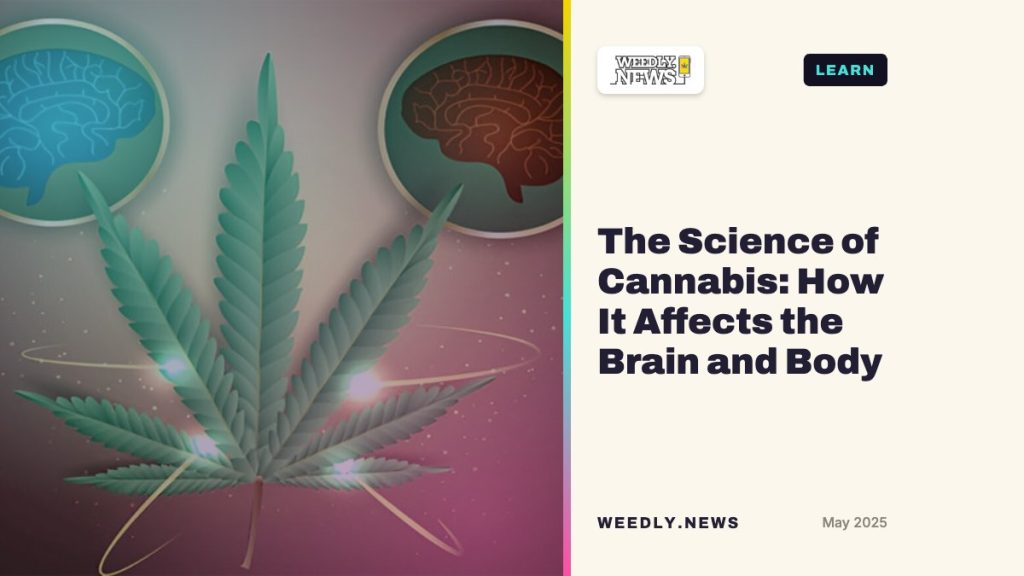
In this educational post, we dive into how cannabis affects the brain and body, unpacking the science behind its famous “high,” its therapeutic properties, and the reasons why people experience cannabis differently.
What’s in Cannabis?
Cannabis contains more than 100 different chemical compounds called cannabinoids. The two most well-known are:
- THC (Tetrahydrocannabinol) – the psychoactive compound that gives you the feeling of being high.
- CBD (Cannabidiol) – a non-psychoactive component known for its calming and anti-inflammatory effects.
These cannabinoids interact with the body’s endocannabinoid system (ECS)—a regulatory network responsible for maintaining balance in mood, appetite, memory, pain sensation, and more.
How Cannabis Affects the Brain
1. Euphoria and Mood Regulation
When THC enters the bloodstream and crosses the blood-brain barrier, it binds to cannabinoid receptors in areas like the amygdala and nucleus accumbens, which play key roles in emotion and reward processing.
- Result: Feelings of euphoria, relaxation, or giggles.
- Why: THC enhances dopamine release, a neurotransmitter associated with pleasure and motivation.
2. Memory and Cognition
The hippocampus, the part of the brain responsible for memory formation, also has a high concentration of cannabinoid receptors.
- Short-Term Effect: Cannabis can impair short-term memory, making it harder to retain new information.
- Long-Term Use: Chronic, heavy use—especially in teens—may affect cognitive development and learning ability.
3. Anxiety and Paranoia
While many users report reduced anxiety with cannabis, others may feel anxious or paranoid, especially with high-THC strains.
- This depends on:
- THC-to-CBD ratio
- Dosage
- Personal tolerance
- Setting and mindset (often called “set and setting”)
How Cannabis Affects the Body
1. Pain and Inflammation Relief
Cannabis is widely used to treat chronic pain, arthritis, and nerve pain. That’s because both THC and CBD interact with ECS receptors in the body, particularly in the immune and nervous systems.
- CBD is especially noted for reducing inflammation without the high.
- THC can change how the brain perceives pain.
2. Appetite and Digestion
THC increases appetite by stimulating the hypothalamus, making food seem more appealing and delicious—a phenomenon lovingly known as “the munchies.”
This can be a lifeline for people undergoing chemotherapy or suffering from appetite loss due to chronic illness.
3. Muscle Relaxation and Sleep
Cannabis can help with muscle spasms, restless legs, and sleep disorders. Indica strains, known for their “body high,” are often recommended for relaxation and insomnia.
Different Methods, Different Effects
How cannabis affects you also depends on how you consume it:
- Smoking/Vaping: Fast onset (5–15 minutes), effects last 2–3 hours.
- Edibles: Slower onset (30–90 minutes), longer-lasting effects (6–8 hours), often stronger due to liver processing.
- Topicals: Do not enter the bloodstream but provide localized relief (e.g., muscle aches).
Tolerance, Dosage, and Individual Biology
Not everyone responds to cannabis the same way. Factors influencing your experience include:
- Tolerance: Regular users may need more to achieve the same effects.
- Body Weight & Metabolism: Can affect how long cannabinoids stay in your system.
- Strain Type: Indica, Sativa, and hybrids have different cannabinoid and terpene profiles.
- Mindset and Environment: Being in a safe, calm space makes a huge difference.
The Takeaway
Cannabis is a complex plant with fascinating effects on both the brain and body. While THC can deliver a euphoric high and pain relief, CBD offers therapeutic benefits without intoxication. Understanding how cannabis affects the brain and body empowers you to make informed decisions, whether you’re using it recreationally or medicinally.
As legalization and research expand, we’ll continue to learn more about the powerful role cannabis can play in health and wellness. Until then, start low, go slow, and respect your own unique chemistry.
Explore more cannabis education, guides, and news at weedly.news – your source for all things green.
Related on Weedly: Keep exploring the Weedly Glossary, our strain reviews, the Learn hub, our Canada coverage and our USA coverage.
Sources & further reading: For authoritative background see Leafly Learn, the CDC, peer-reviewed studies on PubMed, Project CBD and Health Canada.
Why this matters for cannabis consumers
Understanding topics like the science of cannabis is part of becoming a more informed, confident cannabis consumer. The more you know about how cannabis, its compounds and its effects actually work, the better equipped you are to make choices that suit your goals and stay safe. Cannabis science has advanced considerably, and separating solid, evidence-based information from marketing or myth is a skill worth developing. Whether you are new to cannabis or have used it for years, a clear grasp of the fundamentals, from THC and CBD to terpenes and dosing, helps you get more out of the experience while minimizing avoidable risks.
A note on legality and responsible use
Cannabis laws differ dramatically around the world and even between regions of the same country, so the single most important rule is to know and follow the rules where you are. Where cannabis is legal, responsible use means keeping consumption moderate and intentional, storing products safely away from children and pets, and never driving or operating machinery while impaired. Effects vary from person to person depending on dose, tolerance and individual physiology, so a measured, start-low approach is always wise. Treating cannabis with the same care and respect you would any substance helps keep the experience positive and safe.
Related reading on Weedly
- The Weedly cannabis glossary
- More from our Learn section
- Strain and product reviews
- International cannabis coverage
The bottom line
Topics like the science of cannabis are a small part of a large and fast-changing cannabis world, and staying curious and informed is the best way to navigate it. Whether your interest is practical, cultural or simply curiosity, understanding the context behind the subject helps you engage with it more confidently. As always, cannabis is for adults of legal age, laws vary by location, and responsible, moderate use should guide any personal choices. For more coverage across cannabis news, culture, science and the wider world, explore the rest of Weedly and our International section.