


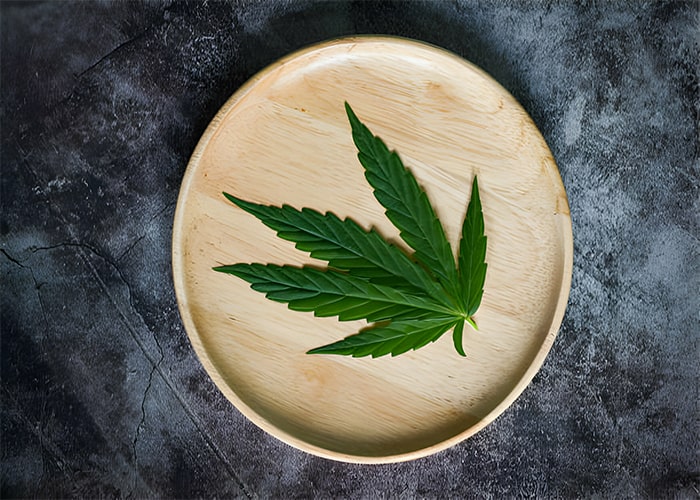
Weight loss or gain involves a complex interplay of factors such as age, sex, genetics, and lifestyle choices. Achieving a target weight requires intention, moderation, and a well-structured plan that includes a balanced diet. Additionally, THC and CBD may support weight management.
To understand the relationship between appetite and THC or CBD, it’s essential to grasp their connection to the brain and appetite. Hunger, a fundamental survival instinct, is influenced by both physiological and psychological factors. Mood, emotions, and mental health conditions can significantly impact food cravings, leading to increased or suppressed appetite.
Effectiveness
CBD regulates blood sugar, maintaining a balanced appetite and preventing extreme hunger spikes after eating. While further research is needed to fully understand CBD’s impact on appetite regulation, preliminary studies suggest that its interaction with CB1 and CB2 receptors influences weight management. Similarly, THC affects appetite through its interaction with these receptors.
The synergy between THC and CBD in full-spectrum products, such as Charlotte Web’s CBD Oil, provides a more comprehensive range of health benefits through the entourage effect. THC stimulates appetite along with myrcene, which prolongs its effects. On the other hand, CBD lingers in the body longer due to its processing by CB2 receptors. Different terpenes have varying effects on appetite regulation, underscoring the importance of researching their use in this context.
Mood also plays a crucial role in appetite regulation, with terpenes known to modulate chemical levels in the brain. For instance, limonene regulates mood and uplifts the spirit, while linalool helps relax an anxious individual, potentially aiding in improved appetite.
Method of Consumption
The method of consuming cannabis products also influences appetite. Smoking and edibles produce different effects, with smoking causing faster and more intense hunger, while edibles are processed more gradually through the digestive system. To regulate appetite effectively, Toussaint recommends having different types of products based on individual needs.
CBD/THC Trial-and-Error Process
Finding the right approach for CBD/THC regulation involves a trial-and-error process. It’s important to communicate your specific ailments to your local budtender, as they possess the training and knowledge to assist you in identifying suitable solutions from the available options.
Given that cannabis requirements can vary from day to day, aligning with your body’s changing needs, the crucial step is to always establish an intention and take action accordingly.
Related on Weedly: Keep exploring the Weedly Glossary, our strain reviews, the Learn hub, our Canada coverage and our USA coverage.
Sources & further reading: For authoritative background see Project CBD, Health Canada, NIDA (US National Institute on Drug Abuse), the World Health Organization and Wikipedia.
Putting it in context
Cannabis education has never been more relevant than it is today, as legalization spreads and a wider range of people encounter cannabis for the first time. Knowing the essentials behind thc vs. cbd helps demystify a subject that has long been clouded by stigma and misinformation. Reliable knowledge, grounded in science rather than hearsay, empowers consumers to understand what they are using and why it affects them the way it does. Familiarity with core concepts such as THC, CBD and the endocannabinoid system provides a foundation that makes every other aspect of cannabis easier to navigate.
Staying safe and informed
Whatever your level of experience, a few principles make any cannabis-related activity safer and more enjoyable. First, respect local laws, which vary widely and change often. Second, remember that individual responses differ, so what works for one person may not suit another, making moderation and a start-low approach sensible. Third, keep products stored securely and never consume before driving or other activities that require full attention. Cannabis is strictly for adults of legal age, and approaching it thoughtfully, with accurate information rather than assumptions, is the best way to enjoy it responsibly wherever it is permitted.
Related reading on Weedly
- The Weedly cannabis glossary
- More from our Learn section
- Strain and product reviews
- International cannabis coverage
Final thoughts
There is always more to learn when it comes to subjects like thc vs. cbd, and the cannabis landscape will keep evolving alongside changing laws, science and culture. Keeping an open, informed perspective helps you make sense of it all, whether you approach cannabis as a consumer, a professional or an interested observer. Remember that cannabis is strictly for adults of legal age, that rules differ widely from place to place, and that responsible use is the foundation of any positive experience. Explore more of Weedly’s coverage to keep learning, and see how the wider world is changing in our International section.
Where to learn more
Cannabis is a broad subject that spans science, law, culture, health and commerce, and there is always more to explore. Building your knowledge over time, from the basics of cannabinoids and terpenes to the details of how laws differ around the world, makes every aspect of the subject easier to navigate. Reliable information is the best tool any consumer or curious reader can have. Explore more of Weedly’s coverage across news, culture, reviews and education to keep learning, and see how the global picture is evolving in our International section.
Understanding cannabis potency and dosing
One of the most useful things any cannabis consumer can understand is potency and dosing. The strength of cannabis products can vary widely, and the amount of THC or CBD present significantly shapes the experience. The widely recommended approach, whether for flower, edibles or concentrates, is to start with a low amount and wait to feel the effects before considering more. This is especially important with edibles, whose onset is delayed and whose effects can be stronger and longer-lasting than expected. Sensible dosing is the single most reliable way to keep any cannabis experience comfortable and under control.
The endocannabinoid system, briefly
Behind cannabis’s effects lies the body’s endocannabinoid system, a network of receptors that helps regulate functions such as mood, appetite, sleep and pain. Cannabis compounds like THC and CBD interact with this system, which is part of why the plant affects people the way it does. This is also why responses vary so much between individuals, since everyone’s physiology differs. A basic awareness of how cannabis works in the body helps consumers set realistic expectations and understand why factors like dose, tolerance and personal chemistry all play a role in shaping the experience.
Quality, testing and knowing your source
Where cannabis is legal and regulated, one of the biggest advantages over the illicit market is quality control. Regulated products are typically tested for potency and for contaminants such as pesticides, mould and residual solvents, and they carry labelling that tells consumers what they are getting. Choosing tested products from legal, reputable sources is an important part of using cannabis safely. In the less-regulated corners of the market, particularly for some wellness and CBD products, quality and labelling can be inconsistent, so a little care in choosing where you buy goes a long way.