


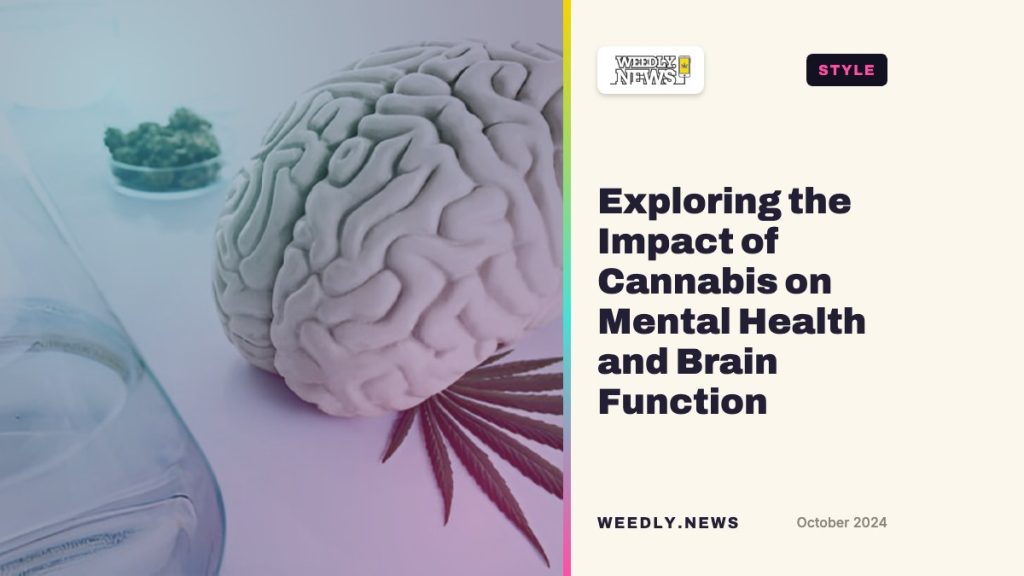
Cannabis continues to capture attention, prompting discussions and research that aim to understand its effects on mental health and brain function. Both advocates and critics actively engage in this dialogue, debating its potential benefits and drawbacks. This article provides an informed look into how cannabis affects mental well-being and the brain.
Cannabis Effects on Mental Health: The Dual Nature
Cannabis enthusiasts often highlight its role in reducing stress and anxiety, claiming it promotes relaxation and improves mental well-being. However, these effects vary. For some, cannabis may aggravate anxiety or depression symptoms. When exploring cannabis mental health effects, researchers emphasize that heavy or prolonged use can lead to challenges like social withdrawal or psychosis, particularly in those predisposed to such conditions. Knowing your limits and practicing moderation becomes crucial.
Brain Function and Cannabis: What Science Says
Scientists have long explored how cannabis influences brain function. Cannabis interacts with the brain’s endocannabinoid system, regulating mood, memory, and pain perception. This interaction can alter brain function, temporarily affecting memory and cognitive abilities.
Some studies indicate that long-term cannabis use might change brain structures, especially in areas related to memory and learning. However, researchers suggest that reducing or stopping cannabis use can reverse these changes. Ongoing research remains vital to fully grasp these implications.
Cannabis Mental Health Research: The Road Ahead
The field of cannabis mental health research evolves rapidly. As legalization spreads, researchers conduct more studies to uncover both the positive aspects and potential downsides of cannabis use. They focus on how different strains and consumption methods impact mental health and brain function.
Celebrity endorsements and public figures contribute to this conversation, emphasizing cannabis’s community impact and the importance of responsible use.
Navigating the Cannabis Landscape
As we delve deeper into the complex relationship between cannabis, mental health, and brain function, staying informed and cautious becomes essential. Whether you consider cannabis for its potential mental health benefits or curiosity about its brain effects, understanding the latest research and paying attention to your body’s responses remain key. Open dialogue and education will continue to play a crucial role, guiding individuals in making informed choices that align with their personal health goals.
Related on Weedly: Keep exploring the Weedly Glossary, our strain reviews, the Learn hub, our Canada coverage and our USA coverage.
Sources & further reading: For authoritative background see Wikipedia, Leafly Learn, the CDC, peer-reviewed studies on PubMed and Project CBD.
The culture behind it
Cannabis has always been about more than consumption, and topics such as exploring the impact of cannabis on mental health and brain function reflect the vibrant culture and lifestyle that surround it. From shared rituals and social settings to art, humor and a distinctive vocabulary, cannabis culture is a living tradition shaped by diverse communities around the world. As attitudes shift and legalization spreads, that culture is being rediscovered and reinvented, moving from the margins toward the mainstream while keeping much of its original character. Appreciating this cultural side adds depth to the cannabis experience and connects it to a broader story of creativity and community.
Staying safe and informed
Whatever your level of experience, a few principles make any cannabis-related activity safer and more enjoyable. First, respect local laws, which vary widely and change often. Second, remember that individual responses differ, so what works for one person may not suit another, making moderation and a start-low approach sensible. Third, keep products stored securely and never consume before driving or other activities that require full attention. Cannabis is strictly for adults of legal age, and approaching it thoughtfully, with accurate information rather than assumptions, is the best way to enjoy it responsibly wherever it is permitted.
Related reading on Weedly
- The Weedly cannabis glossary
- More from our Culture section
- Strain and product reviews
- International cannabis coverage
Final thoughts
There is always more to learn when it comes to subjects like exploring the impact of cannabis on mental health and brain function, and the cannabis landscape will keep evolving alongside changing laws, science and culture. Keeping an open, informed perspective helps you make sense of it all, whether you approach cannabis as a consumer, a professional or an interested observer. Remember that cannabis is strictly for adults of legal age, that rules differ widely from place to place, and that responsible use is the foundation of any positive experience. Explore more of Weedly’s coverage to keep learning, and see how the wider world is changing in our International section.
How the cannabis landscape keeps changing
Cannabis is one of the fastest-moving areas in law, science and culture today. Around the world, countries and regions are reforming their laws at very different paces, from full legalization to strict prohibition, and the industry and the research base are evolving alongside them. What is true in one place or one year may look quite different in another, which is why staying informed matters. Following these shifts, whether in policy, products or public attitudes, offers a clearer sense of where cannabis is heading. Our International coverage tracks how the picture differs from country to country.
Moderation and healthy habits
As with many things, moderation is central to a healthy relationship with cannabis. Using it intentionally rather than habitually, being mindful of how much and how often, and paying attention to how it fits with the rest of your life all help keep the experience positive. Regular heavy use can lead to tolerance, meaning effects diminish over time, and taking breaks can help reset that. Cannabis affects everyone differently, so self-awareness is key. Treating cannabis with the same thoughtfulness you would apply to any substance supports both enjoyment and wellbeing over the long term.
Cannabis and everyday life
For a growing number of adults, cannabis has become a normalized part of everyday life where it is legal, used much as some people use a glass of wine to relax or unwind. That normalization brings both opportunity and responsibility: the opportunity to enjoy cannabis openly and safely, and the responsibility to do so in ways that respect the law, other people and one’s own health. Keeping products stored securely away from children and pets, never consuming before driving, and being considerate about where and when you use are simple habits that make legal cannabis work smoothly in daily life.
Separating fact from myth
Cannabis has long been surrounded by both exaggerated fears and overblown claims, and cutting through that noise is part of engaging with it sensibly. Some widely repeated beliefs do not hold up to scientific scrutiny, while genuine risks and benefits are sometimes overlooked. Relying on credible, evidence-based sources rather than hearsay or marketing helps build an accurate picture. As research continues to mature, our understanding of what cannabis can and cannot do keeps improving, making it worthwhile to stay curious, keep an open mind, and update your knowledge as better information becomes available.