


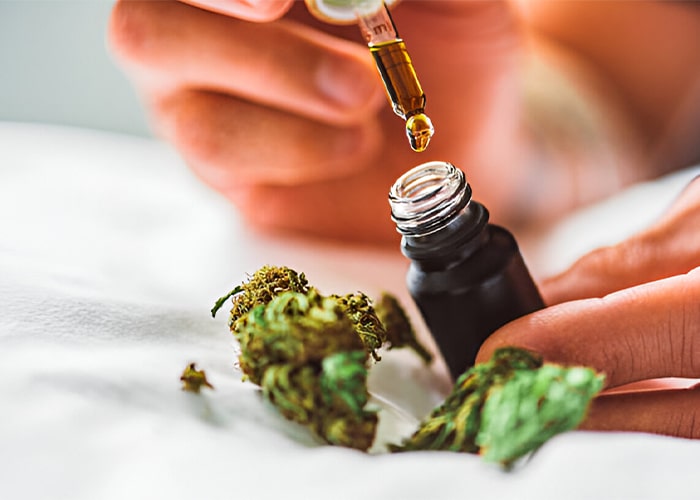
In recent years, the use of cannabis has grown significantly, both for recreational and medicinal purposes. Meanwhile, millions of people rely on antidepressants to manage conditions like depression and anxiety. Understanding how cannabis interacts with these medications is crucial for individuals who use both. In this article, we will explore the interactions between cannabis and antidepressants, focusing on potential effects, safety considerations, and what users should keep in mind.
The Basics of Cannabis and Antidepressants
Cannabis contains compounds like THC and CBD, which interact with the body’s endocannabinoid system. This system plays a role in regulating mood, appetite, and pain sensation. Antidepressants, on the other hand, work by altering neurotransmitter levels in the brain, primarily serotonin, norepinephrine, and dopamine, to improve mood and relieve symptoms of depression.
How Cannabis Interacts with Antidepressants
- Possible Synergistic Effects: Some studies suggest that cannabis, particularly CBD, might enhance the effects of certain antidepressants, potentially leading to improved mood and anxiety relief. This synergy may result from both substances affecting serotonin levels, but further research is needed to confirm these findings.
- Reduced Efficacy or Increased Side Effects: Conversely, cannabis could reduce the effectiveness of antidepressants or increase their side effects. For instance, THC might cause anxiety or paranoia, counteracting the intended effects of antidepressants. Additionally, cannabis can affect the metabolism of drugs, potentially leading to higher levels of antidepressants in the bloodstream and increased side effects.
- Individual Variability: The interaction between cannabis and antidepressants can vary significantly from person to person. Factors like genetics, dosage, and the specific type of antidepressant or cannabis product all play a role. It’s important for individuals to approach this combination with caution and consult healthcare providers.
Safety Considerations
- Consultation with Healthcare Providers: Anyone considering using cannabis while on antidepressants should speak with their doctor. A healthcare professional can offer guidance on safe usage and monitor for any adverse effects.
- Monitoring for Side Effects: Users should stay vigilant for any changes in mood, increased anxiety, or other side effects when combining these substances. Keeping a journal of symptoms and experiences can be helpful for personal monitoring.
- Consideration of Legal and Health Implications: Depending on where you live, the legality of cannabis can vary. Make sure to stay informed about local laws and consider any health risks associated with its use.
Exploring the interactions between cannabis and antidepressants reveals a complex relationship that requires careful consideration. While there may be potential benefits, there are also risks of reduced efficacy and increased side effects. Individuals should prioritize their safety and well-being by consulting healthcare professionals and staying informed. For those interested in more detailed guidance, consider reaching out to a medical specialist who understands the nuances of cannabis and antidepressant interactions.
Related on Weedly: Keep exploring the Weedly Glossary, our strain reviews, the Learn hub, our Canada coverage and our USA coverage.
Sources & further reading: For authoritative background see the World Health Organization, Wikipedia, Leafly Learn, the CDC and peer-reviewed studies on PubMed.
Cannabis culture and community
Subjects like exploring cannabis and antidepressants are part of the rich, evolving culture that has grown up around cannabis over decades. Far more than just a product, cannabis carries a history woven through music, art, language and community, and that cultural dimension continues to shape how people relate to it today. As legalization changes the landscape, cannabis culture is evolving too, blending its counterculture roots with a more mainstream, open presence. Exploring these cultural threads offers a fuller appreciation of cannabis beyond its effects, connecting it to the people, communities and creativity that have defined its place in society.
A note on legality and responsible use
Cannabis laws differ dramatically around the world and even between regions of the same country, so the single most important rule is to know and follow the rules where you are. Where cannabis is legal, responsible use means keeping consumption moderate and intentional, storing products safely away from children and pets, and never driving or operating machinery while impaired. Effects vary from person to person depending on dose, tolerance and individual physiology, so a measured, start-low approach is always wise. Treating cannabis with the same care and respect you would any substance helps keep the experience positive and safe.
Related reading on Weedly
- The Weedly cannabis glossary
- More from our Culture section
- Strain and product reviews
- International cannabis coverage
The bottom line
Topics like exploring cannabis and antidepressants are a small part of a large and fast-changing cannabis world, and staying curious and informed is the best way to navigate it. Whether your interest is practical, cultural or simply curiosity, understanding the context behind the subject helps you engage with it more confidently. As always, cannabis is for adults of legal age, laws vary by location, and responsible, moderate use should guide any personal choices. For more coverage across cannabis news, culture, science and the wider world, explore the rest of Weedly and our International section.
Quality, testing and knowing your source
Where cannabis is legal and regulated, one of the biggest advantages over the illicit market is quality control. Regulated products are typically tested for potency and for contaminants such as pesticides, mould and residual solvents, and they carry labelling that tells consumers what they are getting. Choosing tested products from legal, reputable sources is an important part of using cannabis safely. In the less-regulated corners of the market, particularly for some wellness and CBD products, quality and labelling can be inconsistent, so a little care in choosing where you buy goes a long way.
How the cannabis landscape keeps changing
Cannabis is one of the fastest-moving areas in law, science and culture today. Around the world, countries and regions are reforming their laws at very different paces, from full legalization to strict prohibition, and the industry and the research base are evolving alongside them. What is true in one place or one year may look quite different in another, which is why staying informed matters. Following these shifts, whether in policy, products or public attitudes, offers a clearer sense of where cannabis is heading. Our International coverage tracks how the picture differs from country to country.
Moderation and healthy habits
As with many things, moderation is central to a healthy relationship with cannabis. Using it intentionally rather than habitually, being mindful of how much and how often, and paying attention to how it fits with the rest of your life all help keep the experience positive. Regular heavy use can lead to tolerance, meaning effects diminish over time, and taking breaks can help reset that. Cannabis affects everyone differently, so self-awareness is key. Treating cannabis with the same thoughtfulness you would apply to any substance supports both enjoyment and wellbeing over the long term.