


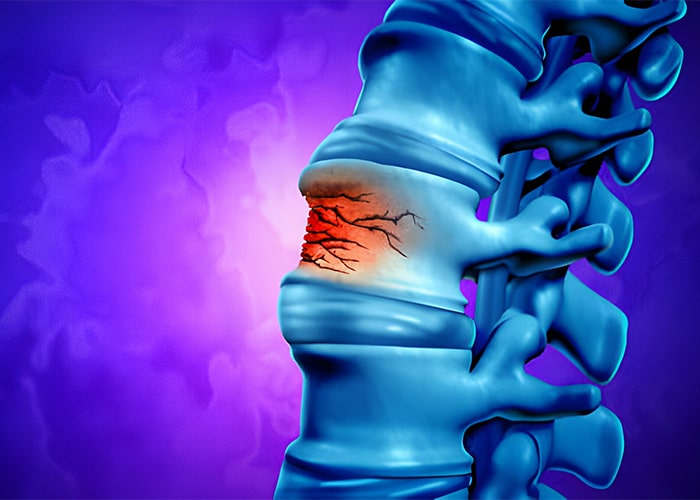
A groundbreaking medical trial is underway at the University of Sydney in Australia, marking the world’s first investigation into the effectiveness of CBD as a treatment for chronic pain induced by spinal cord injuries. This pioneering study, conducted in collaboration with the university’s Lambert Initiative for Cannabinoid Therapeutics, received a substantial grant of AUD$1.7 million from NSW Health.
In an official statement, the research team highlighted that up to 80% of individuals with spinal cord injuries experience varying degrees of persistent pain, underscoring the urgent need for more effective treatment options. Professor Luke Henderson, the lead investigator from the university’s Brain and Mind Centre and the School of Medical Sciences, emphasized the limitations of current neuropathic pain treatments, citing their often significant side effects that exacerbate the condition.
Professor Iain McGregor, a co-investigator from the Lambert Initiative, noted the increasing trend of Australian physicians prescribing cannabis-based products for neuropathic pain. The recent study revealed a notable rise in the use of medical cannabis in Australia, with a significant surge in medical cannabis prescriptions since its legalization in 2016.
The potential impact of this trial is far-reaching, with the prospect of generating gold-standard evidence supporting the use of CBD for patients experiencing neuropathic pain following spinal cord injury. The outcomes could also play a pivotal role in influencing policy related to the prescription of medicinal cannabis for neuropathic pain treatment, ultimately enhancing patient access to potentially beneficial therapies.
Related on Weedly: Keep exploring the Weedly Glossary, our strain reviews, the Learn hub, our Canada coverage and our USA coverage.
Sources & further reading: For authoritative background see NIDA (US National Institute on Drug Abuse), the World Health Organization, Wikipedia, Leafly Learn and the CDC.
Why it’s worth following
The cannabis world moves quickly, and topics such as cbd as a chronic pain solution for spinal cord injuries reflect an industry and culture in constant flux. Regulations change, products evolve, and public attitudes continue to shift, making it easy to fall behind if you are not paying attention. Understanding the context behind a story, rather than just the headline, helps make sense of an increasingly complex space where economics, health, law and culture intersect. For anyone with an interest in cannabis, whether as a consumer, a professional or simply a curious observer, staying informed is the best way to keep pace with the change.
Staying safe and informed
Whatever your level of experience, a few principles make any cannabis-related activity safer and more enjoyable. First, respect local laws, which vary widely and change often. Second, remember that individual responses differ, so what works for one person may not suit another, making moderation and a start-low approach sensible. Third, keep products stored securely and never consume before driving or other activities that require full attention. Cannabis is strictly for adults of legal age, and approaching it thoughtfully, with accurate information rather than assumptions, is the best way to enjoy it responsibly wherever it is permitted.
Related reading on Weedly
- The Weedly cannabis glossary
- More from our News section
- Strain and product reviews
- International cannabis coverage
Final thoughts
There is always more to learn when it comes to subjects like cbd as a chronic pain solution for spinal cord injuries, and the cannabis landscape will keep evolving alongside changing laws, science and culture. Keeping an open, informed perspective helps you make sense of it all, whether you approach cannabis as a consumer, a professional or an interested observer. Remember that cannabis is strictly for adults of legal age, that rules differ widely from place to place, and that responsible use is the foundation of any positive experience. Explore more of Weedly’s coverage to keep learning, and see how the wider world is changing in our International section.
The endocannabinoid system, briefly
Behind cannabis’s effects lies the body’s endocannabinoid system, a network of receptors that helps regulate functions such as mood, appetite, sleep and pain. Cannabis compounds like THC and CBD interact with this system, which is part of why the plant affects people the way it does. This is also why responses vary so much between individuals, since everyone’s physiology differs. A basic awareness of how cannabis works in the body helps consumers set realistic expectations and understand why factors like dose, tolerance and personal chemistry all play a role in shaping the experience.
Quality, testing and knowing your source
Where cannabis is legal and regulated, one of the biggest advantages over the illicit market is quality control. Regulated products are typically tested for potency and for contaminants such as pesticides, mould and residual solvents, and they carry labelling that tells consumers what they are getting. Choosing tested products from legal, reputable sources is an important part of using cannabis safely. In the less-regulated corners of the market, particularly for some wellness and CBD products, quality and labelling can be inconsistent, so a little care in choosing where you buy goes a long way.
How the cannabis landscape keeps changing
Cannabis is one of the fastest-moving areas in law, science and culture today. Around the world, countries and regions are reforming their laws at very different paces, from full legalization to strict prohibition, and the industry and the research base are evolving alongside them. What is true in one place or one year may look quite different in another, which is why staying informed matters. Following these shifts, whether in policy, products or public attitudes, offers a clearer sense of where cannabis is heading. Our International coverage tracks how the picture differs from country to country.
Moderation and healthy habits
As with many things, moderation is central to a healthy relationship with cannabis. Using it intentionally rather than habitually, being mindful of how much and how often, and paying attention to how it fits with the rest of your life all help keep the experience positive. Regular heavy use can lead to tolerance, meaning effects diminish over time, and taking breaks can help reset that. Cannabis affects everyone differently, so self-awareness is key. Treating cannabis with the same thoughtfulness you would apply to any substance supports both enjoyment and wellbeing over the long term.
Cannabis and everyday life
For a growing number of adults, cannabis has become a normalized part of everyday life where it is legal, used much as some people use a glass of wine to relax or unwind. That normalization brings both opportunity and responsibility: the opportunity to enjoy cannabis openly and safely, and the responsibility to do so in ways that respect the law, other people and one’s own health. Keeping products stored securely away from children and pets, never consuming before driving, and being considerate about where and when you use are simple habits that make legal cannabis work smoothly in daily life.