


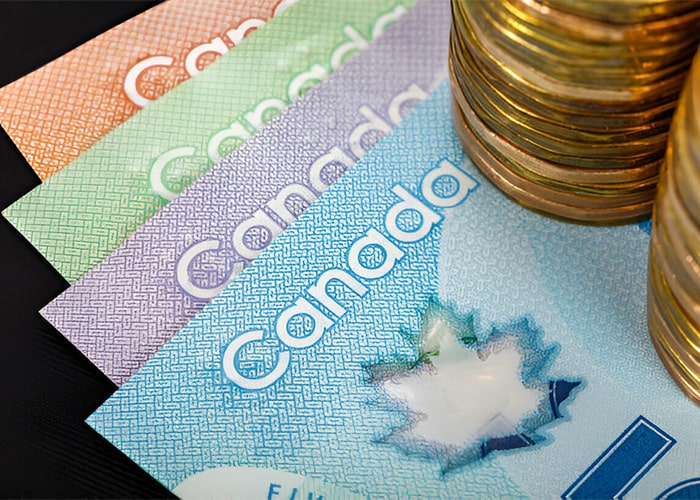
Ryan Roch encountered significant obstacles when he sought to establish accounts with major banks for Lake City Cannabis’s two pot stores in Alberta. Representatives from prominent Canadian banks displayed a dismissive attitude and showed little interest in engaging with his business.
Frustrated by the lack of support from traditional banks, Roch turned to credit unions as an alternative. However, the credit unions presented their own challenges, requiring a hefty monthly fee of $500 and imposing intrusive monitoring protocols that were impractical for Lake City.
In a notable turn of events, Lake City found a more welcoming partner in Calgary-based ATB. An independent government-owned bank that embraced clients operating in the cannabis space. Roch’s experience highlights the pervasive issue faced by Canadian cannabis businesses when trying to secure banking services. Often resorting to credit unions due to the barriers posed by traditional charter banks.
The landscape for cannabis enterprises remains complex, exacerbated by regulatory uncertainties and financial institutions’ reluctance to engage with businesses operating in a legal yet federally contentious industry. While the potential legalization of cannabis in the US offers hope for easing financial constraints. The current reality underscores the uphill battle Canadian cannabis businesses face in securing essential banking services.
The interconnected nature of the North American financial system further complicates matters. With Canadian banks maintaining cautious approaches due to cannabis’s federal illegality in the US. This hesitance stems from stringent risk assessment practices that are exacerbated by the transnational operations of many financial institutions. Underscoring the need for regulatory clarity and industry-wide reassurances to foster greater inclusivity within the banking sector.
As the industry grapples with these obstacles, the passage of key legislation such as the SAFE Banking Act represents a crucial step towards normalizing financial transactions for legal cannabis businesses. By addressing regulatory uncertainties and mitigating risks associated with banking cannabis enterprises. Financial institutions can potentially unlock new opportunities for growth and collaboration within the burgeoning industry.
Looking ahead, the prospect of US federal legalization looms large as a pivotal milestone. That could catalyze a paradigm shift in how Canadian cannabis businesses navigate the financial landscape. Advocating for comprehensive reforms, forging strategic partnerships, and championing industry-wide dialogue, can pave the way for a more equitable and resilient banking. Ecosystem that empowers cannabis entrepreneurs to thrive in a rapidly evolving market environment.
Canadian cannabis businesses must actively navigate the challenges in the banking sector. Seeking proactive solutions and advocating for regulatory changes to foster a more inclusive and supportive financial environment for the industry’s sustainable growth and innovation.
Related on Weedly: Keep exploring the Weedly Glossary, our strain reviews, the Learn hub, our Canada coverage and our USA coverage.
Sources & further reading: For authoritative background see peer-reviewed studies on PubMed, Project CBD, Health Canada, NIDA (US National Institute on Drug Abuse) and the World Health Organization.
The bigger picture
Stories like this one, touching on canadian banks remain reluctant to partner with cannabis industry post, are part of a fast-moving cannabis landscape in which policy, science, culture and commerce are all evolving at once. What happens in one market or corner of the industry often ripples outward, influencing consumers, businesses and lawmakers elsewhere. Keeping up with these developments helps readers understand not just isolated headlines but the broader direction of an industry still finding its shape. Cannabis remains a rapidly changing space, and following it closely, from legal shifts to product trends, offers a clearer view of where things may be heading next.
A note on legality and responsible use
Cannabis laws differ dramatically around the world and even between regions of the same country, so the single most important rule is to know and follow the rules where you are. Where cannabis is legal, responsible use means keeping consumption moderate and intentional, storing products safely away from children and pets, and never driving or operating machinery while impaired. Effects vary from person to person depending on dose, tolerance and individual physiology, so a measured, start-low approach is always wise. Treating cannabis with the same care and respect you would any substance helps keep the experience positive and safe.
Related reading on Weedly
- The Weedly cannabis glossary
- More from our News section
- Strain and product reviews
- International cannabis coverage
The bottom line
Topics like canadian banks remain reluctant to partner with cannabis industry post are a small part of a large and fast-changing cannabis world, and staying curious and informed is the best way to navigate it. Whether your interest is practical, cultural or simply curiosity, understanding the context behind the subject helps you engage with it more confidently. As always, cannabis is for adults of legal age, laws vary by location, and responsible, moderate use should guide any personal choices. For more coverage across cannabis news, culture, science and the wider world, explore the rest of Weedly and our International section.
Separating fact from myth
Cannabis has long been surrounded by both exaggerated fears and overblown claims, and cutting through that noise is part of engaging with it sensibly. Some widely repeated beliefs do not hold up to scientific scrutiny, while genuine risks and benefits are sometimes overlooked. Relying on credible, evidence-based sources rather than hearsay or marketing helps build an accurate picture. As research continues to mature, our understanding of what cannabis can and cannot do keeps improving, making it worthwhile to stay curious, keep an open mind, and update your knowledge as better information becomes available.
Where to learn more
Cannabis is a broad subject that spans science, law, culture, health and commerce, and there is always more to explore. Building your knowledge over time, from the basics of cannabinoids and terpenes to the details of how laws differ around the world, makes every aspect of the subject easier to navigate. Reliable information is the best tool any consumer or curious reader can have. Explore more of Weedly’s coverage across news, culture, reviews and education to keep learning, and see how the global picture is evolving in our International section.
Understanding cannabis potency and dosing
One of the most useful things any cannabis consumer can understand is potency and dosing. The strength of cannabis products can vary widely, and the amount of THC or CBD present significantly shapes the experience. The widely recommended approach, whether for flower, edibles or concentrates, is to start with a low amount and wait to feel the effects before considering more. This is especially important with edibles, whose onset is delayed and whose effects can be stronger and longer-lasting than expected. Sensible dosing is the single most reliable way to keep any cannabis experience comfortable and under control.