


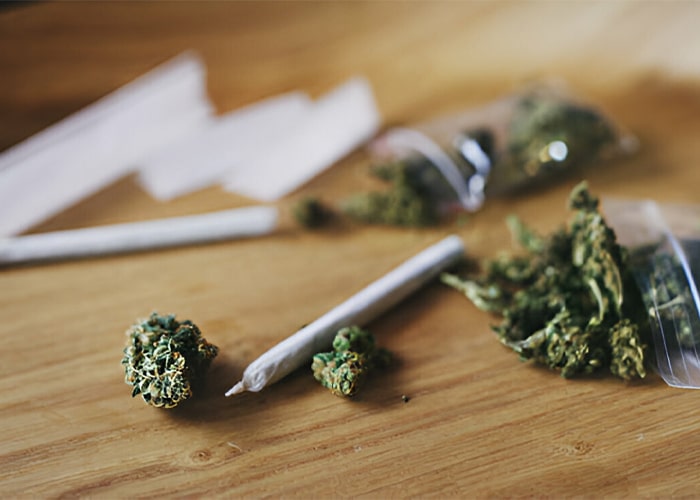
An in-depth analysis by The Wall Street Journal suggests a surge in cases of cannabis-induced psychosis among teenagers nationwide. While the piece illuminates studies connecting cannabis consumption to conditions like schizophrenia and bipolar disorder, it implies that the availability of high-potency cannabis contributes to a rise in psychosis rates among adolescents.
Contrary to these claims, extensive population studies involving over 63 million individuals reveal a different narrative. Surprisingly, the data indicates that instances of psychosis have not seen an increase following cannabis legalization. Moreover, statistics indicate a decline in marijuana usage among teenagers. Leading scientific research points towards genetic predispositions rather than cannabis usage as the primary influencer behind the apparent correlation between cannabis and psychosis.
The debate on whether cannabis can trigger enduring psychotic conditions or if this is a classic case of mistaken correlation for causation, reminiscent of the infamous “reefer madness” era, is ongoing.
Delving into the Complex Links Between Cannabis and Psychosis
Studies highlighting the association between cannabis and psychosis emphasize a strong correlation, stopping short of establishing a direct causal relationship. Notably, instances of acute cannabis exposure have been linked to experiencing heightened sensory perceptions, anxiety, and transient “psychosis-like” incidents, particularly observable in sporadic users.
Instances where adolescent cannabis users exhibit lasting psychosis-related ailments often lead to hasty conclusions attributing the shift to cannabis intake. While anecdotes exist of youths developing enduring conditions post-cannabis use, researchers grapple with determining if cannabis instigates these outcomes or if an external factor drives both phenomena. Current estimates suggest a mere 0.0027% incidence rate of cannabis-induced psychosis, underscoring the challenges in definitively linking cannabis to psychosis development through correlative studies.
An Interplay of Factors: Beyond Cannabis
While cannabis garners significant attention in psychosis discussions, it is essential to acknowledge that numerous factors contribute to heightened psychosis risk. Research has identified alcohol and tobacco usage, alongside recreational substances, as correlating with increased psychosis vulnerability. Schizophrenics exhibit comparable consumption patterns of alcohol and tobacco to cannabis, displaying analogous escalations in psychosis risk. Despite these correlations, the discourse around banning these substances remains contentious.
While opponents of cannabis legalization may argue that the risk of teen psychosis should deter such actions, recent trends show a different story. Contrary to popular belief, as more states move towards legalization, rates of teenage cannabis use are actually decreasing. The regulated environment of legal dispensaries, where identification is checked, acts as a barrier to prevent underage access, unlike the unregulated nature of street dealers.
Dispelling Misconceptions: Cannabis Legalization and Psychosis
Scientific inquiry delves beyond surface-level correlations to understand the true impact of cannabis legalization on mental health, particularly in relation to psychosis. If cannabis were a direct cause of psychosis, areas with greater cannabis accessibility would observe a corresponding rise in psychosis rates. While certain conditions like cannabinoid hyperemesis syndrome may see an uptick with increased cannabis availability, the relationship between cannabis access and psychosis remains inconclusive.
Insights from Studies
A study conducted in Denmark, involving 6,788 individuals across multiple locations, highlighted a connection between high-potency cannabis and psychosis. However, a more extensive study in the US, encompassing over 63 million subjects, revealed no significant association between medical or recreational cannabis access and psychosis rates. This stark contrast challenges the notion that legal cannabis availability inherently fuels psychosis cases, especially among adolescents.
Despite the ongoing debate, genetics emerge as a pivotal factor in understanding the interplay between cannabis use and mental health outcomes. Evidence suggests a genetic predisposition to both psychosis and cannabis-use disorder, showcasing a deeper-rooted link beyond mere substance consumption. Recent research on identical twins over a 27-year period reiterated that cannabis use alone did not predict adverse mental health outcomes, underscoring the role of genetics in shaping individual vulnerabilities.
Guidance for Personal Health Choices
Individuals with a family history of mental illness are advised to reassess their cannabis consumption habits, considering the potential genetic implications on mental well-being. Maintaining the legal age of 21 for cannabis consumption aligns with safeguarding against early-onset mental health concerns, providing a buffer for those predisposed to congenital mental illnesses.
Moving Forward: Insights and Considerations
While ongoing studies may refine our comprehension of these intricacies, current data does not firmly establish cannabis use as a primary causal factor for chronic mental illnesses. Nevertheless, individuals at risk should exercise caution, particularly regarding THC’s psychoactive properties, while exploring the therapeutic potential of CBD under medical supervision.
For personalized guidance on leveraging cannabis for medicinal purposes, consulting a specialized healthcare provider is paramount in navigating the intersection of cannabis use and mental health management.
Related on Weedly: Keep exploring the Weedly Glossary, our strain reviews, the Learn hub, our Canada coverage and our USA coverage.
Sources & further reading: For authoritative background see Project CBD, Health Canada, NIDA (US National Institute on Drug Abuse), the World Health Organization and Wikipedia.
The culture behind it
Cannabis has always been about more than consumption, and topics such as can legalization negatively affect the mental well reflect the vibrant culture and lifestyle that surround it. From shared rituals and social settings to art, humor and a distinctive vocabulary, cannabis culture is a living tradition shaped by diverse communities around the world. As attitudes shift and legalization spreads, that culture is being rediscovered and reinvented, moving from the margins toward the mainstream while keeping much of its original character. Appreciating this cultural side adds depth to the cannabis experience and connects it to a broader story of creativity and community.
Staying safe and informed
Whatever your level of experience, a few principles make any cannabis-related activity safer and more enjoyable. First, respect local laws, which vary widely and change often. Second, remember that individual responses differ, so what works for one person may not suit another, making moderation and a start-low approach sensible. Third, keep products stored securely and never consume before driving or other activities that require full attention. Cannabis is strictly for adults of legal age, and approaching it thoughtfully, with accurate information rather than assumptions, is the best way to enjoy it responsibly wherever it is permitted.
Related reading on Weedly
- The Weedly cannabis glossary
- More from our Culture section
- Strain and product reviews
- International cannabis coverage
Final thoughts
There is always more to learn when it comes to subjects like can legalization negatively affect the mental well, and the cannabis landscape will keep evolving alongside changing laws, science and culture. Keeping an open, informed perspective helps you make sense of it all, whether you approach cannabis as a consumer, a professional or an interested observer. Remember that cannabis is strictly for adults of legal age, that rules differ widely from place to place, and that responsible use is the foundation of any positive experience. Explore more of Weedly’s coverage to keep learning, and see how the wider world is changing in our International section.