


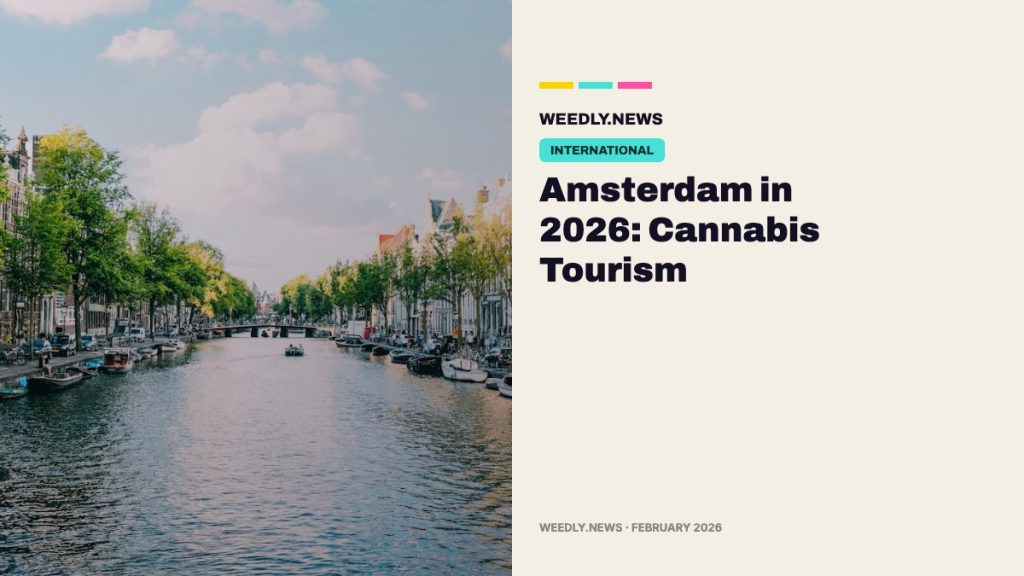
Amsterdam remains a cannabis rite of passage, but the city has tightened its approach, so tourists should arrive knowing the current etiquette.
The coffeeshop, updated
Coffeeshops still operate under Dutch tolerance policy, but the city has trimmed tourist excess and pushed consumption indoors. Public smoking in parts of the centre is restricted.
Etiquette that matters
Buy where you sit, keep portions small, and remember Dutch tolerance is a policy, not a free-for-all. Respect posted rules and neighbours — the welcome depends on it.
Plan well
Never carry product across a border, and check current city rules before you go. More trips are in Destinations, and the vocabulary is in our glossary.
Keep reading on Weedly
Related coverage: the Weedly Glossary, our strain reviews, the vetted shop directory, our Learn hub, and the Canada and USA desks.
Sources & further reading
Leafly Learn, Wikipedia, NIDA, the WHO and Health Canada.
The coffeeshop rules travelers need to know
Amsterdam’s coffeeshops operate under tolerance rather than full legality, and the rules matter. Coffeeshops may sell small amounts of cannabis to adults, but you must be 18 or older, purchases are limited (generally up to five grams per person per day), and shops cannot sell alcohol. Cannabis is tolerated, not legal, so quantities and behavior outside these bounds can cause problems. Bring valid ID, buy only from licensed coffeeshops, and treat the experience as a regulated privilege rather than a free-for-all. Understanding these basics keeps a visit trouble-free and lawful within the Dutch tolerance framework.
What changed for tourists
Amsterdam has spent recent years managing cannabis tourism rather than encouraging it. The city reduced the number of coffeeshops, tightened rules on public smoking in parts of the center, and cracked down on street nuisance and hard-drug dealing. Authorities have periodically debated or piloted restrictions on tourist access in certain areas, part of a broader effort to curb overtourism. The takeaway for 2026 visitors is that the old “anything goes” reputation is outdated: expect a more regulated, lower-key scene, and follow local signage and staff guidance closely.
Where you can and cannot consume
Consumption rules are stricter than many expect. Smoking cannabis is generally limited to coffeeshops and private spaces, and public consumption — especially in busy central areas, near schools, or on public transport — can be restricted or fined. Do not assume you can light up anywhere on the street. Many hotels also prohibit smoking indoors. The safest approach is to consume within coffeeshops that permit on-site use or in appropriate private settings, and to respect the increasingly firm rules against public smoking that the city has introduced.
Etiquette, safety and edibles
Responsible use makes for a better trip. Start low and go slow, particularly with edibles and stronger products, since Dutch cannabis can be potent and effects vary. Never drive after consuming, keep quantities modest, and be considerate of residents in a city dealing with tourism pressures. Buy only from licensed coffeeshops to ensure quality and legality, and never attempt to take cannabis out of the country — carrying it across any border is illegal regardless of the rules at either end. These simple habits protect both you and the city.
Beyond the coffeeshops
Amsterdam offers more than coffeeshops for those interested in cannabis culture, including museums and educational attractions that explore the plant’s history and the country’s distinctive tolerance policy. Visitors curious about the broader story can learn how the Dutch model evolved and why the Netherlands is testing a regulated supply chain to address its long-standing “back-door” problem. Approaching Amsterdam with cultural curiosity rather than just consumption in mind makes for a richer visit. For the wider context, see our International desk and Destinations coverage.
A short history of Amsterdam’s coffeeshops
Amsterdam’s coffeeshops trace back to the 1970s, when the Netherlands adopted its pragmatic “tolerance” policy distinguishing soft drugs like cannabis from hard drugs. The idea was harm reduction: by allowing regulated coffeeshops to sell small amounts, the government hoped to separate cannabis users from dangerous drug markets. Over the decades, Amsterdam’s coffeeshops became world-famous, drawing millions of curious visitors and shaping the city’s international image. Understanding this history helps explain why the current scene is both iconic and increasingly regulated, as the city balances its heritage against modern concerns about tourism, crime and residents’ quality of life.
How Amsterdam compares to other cannabis cities
Compared with fully legal markets like those in Canada or many US states, Amsterdam’s model is unusual: cannabis is tolerated and sold openly at coffeeshops, yet not fully legal, and the wholesale supply behind those shops has historically been illegal. This differs sharply from the licensed dispensaries of North America or the nonprofit clubs of Malta and Germany. For travelers, this means Amsterdam offers open retail access unlike most of Europe, but within a tolerance framework that is tightening. It remains distinctive, but it is no longer the only place in the world to access cannabis legally or semi-legally.
Planning your visit
If cannabis is part of your Amsterdam trip, plan sensibly: choose reputable, licensed coffeeshops, ask staff for guidance on products and dosing, and never overindulge in an unfamiliar setting. Keep your itinerary flexible and be aware that rules can vary by neighborhood. Combine any cannabis experience with the city’s rich culture, canals and museums for a balanced visit, and always prioritize respect for local residents and regulations. Being a considerate, informed visitor ensures both a better personal experience and a positive contribution to a city managing significant tourism pressures.
The bottom line for 2026
Amsterdam remains a landmark cannabis destination, but 2026 visitors should arrive informed: cannabis is tolerated, not fully legal, coffeeshops operate under firm rules, public consumption is increasingly restricted, and the city is actively managing tourism. Buy from licensed shops, consume responsibly and only where permitted, never cross a border with cannabis, and respect local rules and residents. Approached that way, Amsterdam still offers a unique, historic cannabis experience. As always, verify the current local rules before your trip, since they continue to evolve. This article is informational, for adults of legal age; verify local legality before acting on it. Learn the key terms in our cannabis glossary.